.png)
Health Care and Rising Costs Drive Montana's Western District Congressional Race as Busse Surges in Polls
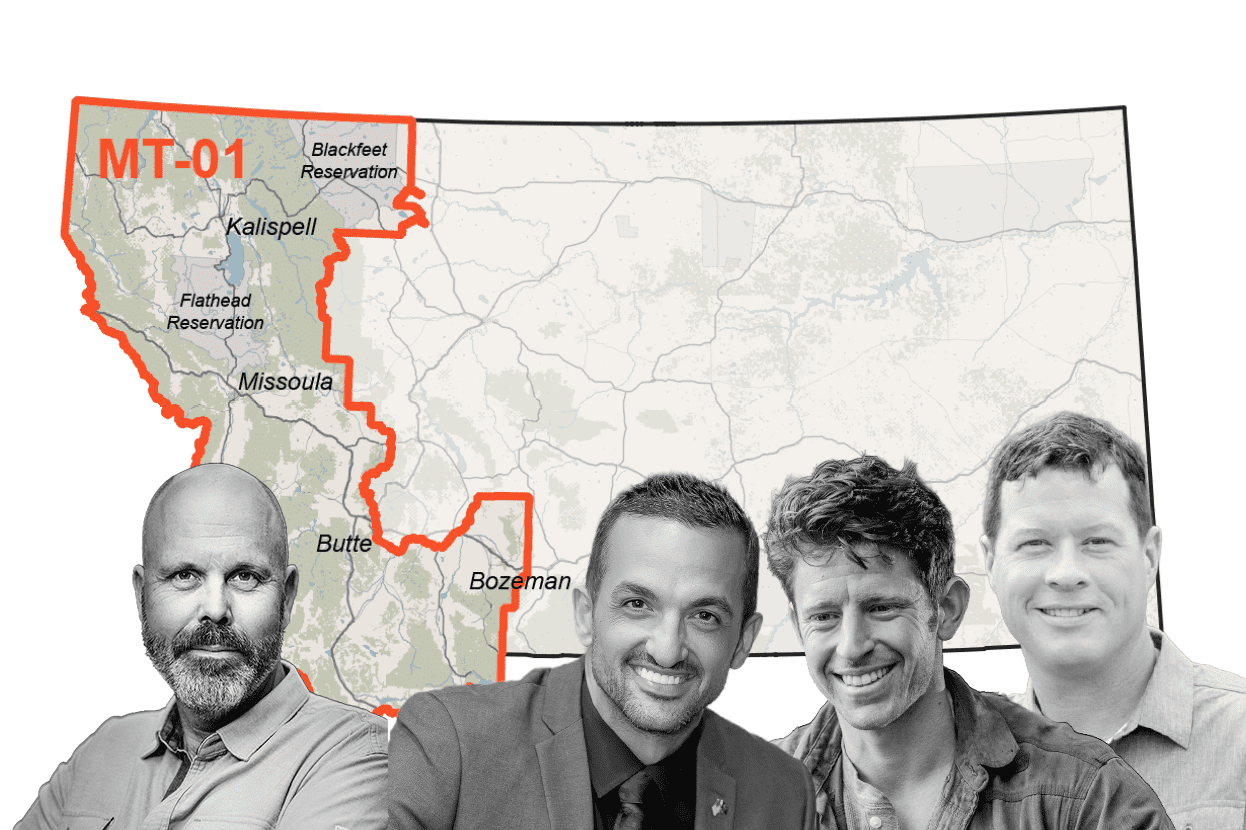
When a congressman announces he's walking away from his seat, it creates a rare opening — and for families in western Montana already stretched thin by rising costs and shrinking health care options, who fills that seat could make a real difference in their everyday lives. A new independent poll shows Democrat Ryan Busse has built a strong early lead in the race to replace retiring Republican Rep. Ryan Zinke, and the issues pushing voters toward him are ones that hit close to home.
The poll, released ahead of early voting that begins in May before the June 2 primary, shows Busse leading his closest competitor, Russ Cleveland, by 15 points in the Democratic primary for Montana's 1st Congressional District. Two other candidates, Samuel Forstag and Matt Rains, are trailing further behind. Part of Busse's advantage comes from the name recognition he earned during his 2024 run for governor, when he won more than 42 percent of the vote in the counties that now make up the western district.
But analysts say this race is about more than who voters recognize. Across western Montana, kitchen-table concerns — especially around health care costs, housing affordability, and energy bills — are shaping what voters want from their next representative.
What Families Are Paying For Health Care
Health care has become one of the most urgent issues in the race, and for good reason. Busse has called for universal health coverage and sharply criticized recent Republican policy moves that he says have driven up Affordable Care Act premiums for tens of thousands of Montanans while "drastically weakening Medicaid."
For rural communities across the district, those aren't abstract political arguments — they're questions about whether a local hospital stays open. Federal Medicaid cuts are already forcing states to confront the possibility of rural hospital closures, and Montana is directly in that picture. Busse has warned that the impact would fall hardest on Native communities and small towns where a Medicaid-funded clinic or hospital is often the only health care option within reach.
Mental health care costs are adding another layer of stress. A recent survey found that Montana voters overwhelmingly identify cost as a major obstacle to getting mental health treatment — a burden that compounds the financial pressure many families are already carrying.
The Affordability Question
Beyond health care, Busse has centered his campaign on the economic squeeze that working families in western Montana say they feel every month. Housing costs have climbed while wages have not kept pace, and Busse has tried to connect that reality directly to decisions being made — or avoided — in Washington.
His pitch on taxes is deliberately plain-spoken. He has called for a system that requires "billionaire hedge fund managers to pay at least as much as fishing guides, waitresses, and snowplow drivers." He argues the current tax code, shaped heavily by lobbyists, taxes work at higher rates than it taxes wealth — and he has pledged to vote against any legislation that widens the gap between the wealthy and everyone else.
A Local Fight Over Power and Data Centers
One issue that might seem technical on the surface is generating real concern in communities across the district: the rapid push by tech companies to build large data centers in Montana. At least 11 companies are already in talks with NorthWestern Energy about potential development, and the planned facilities statewide could require roughly 1,000 megawatts of power — a massive jump in demand that critics say could push electricity rates higher for ordinary residents.
Busse has urged Montanans to think carefully before welcoming that growth. "The reason data centers are rushing here is because they believe we have cheap power, open land, and insufficient regulation to stop them from moving fast," he said at a candidate forum in Butte. He has also raised concerns that the artificial intelligence systems these facilities support "is designed to put human labor out of work" — meaning the promised economic benefits may not materialize for local workers.
Concern about data centers and their effects on water use and utility rates cuts across political lines in rural communities, with residents of all political backgrounds worried about what rapid tech development could mean for their bills and their environment.
How the Race Came Together
The contest took shape quickly. Rep. Ryan Zinke's surprise retirement announcement, which he attributed to injuries sustained during his Navy SEAL career, came just days before candidate filing closed, scrambling plans on both sides. On the Republican side, conservative talk radio host Aaron Flint and former state legislator Al Olszewski are among those who entered the race.
For Democrats, the open seat changed the calculation entirely. What had been a long-shot challenge against an incumbent is now a race national Democrats believe they can win. Busse's early polling advantage suggests he is well-positioned to enter the general election as the Democratic standard-bearer — running on a message that western Montana families deserve a representative who will work to lower their costs, protect their access to health care, and push back against powerful interests that don't have their everyday concerns in mind.